

Survey - Participant Information Sheet - Everyday Language version














The research team:

PI: Prof Manuela Barreto
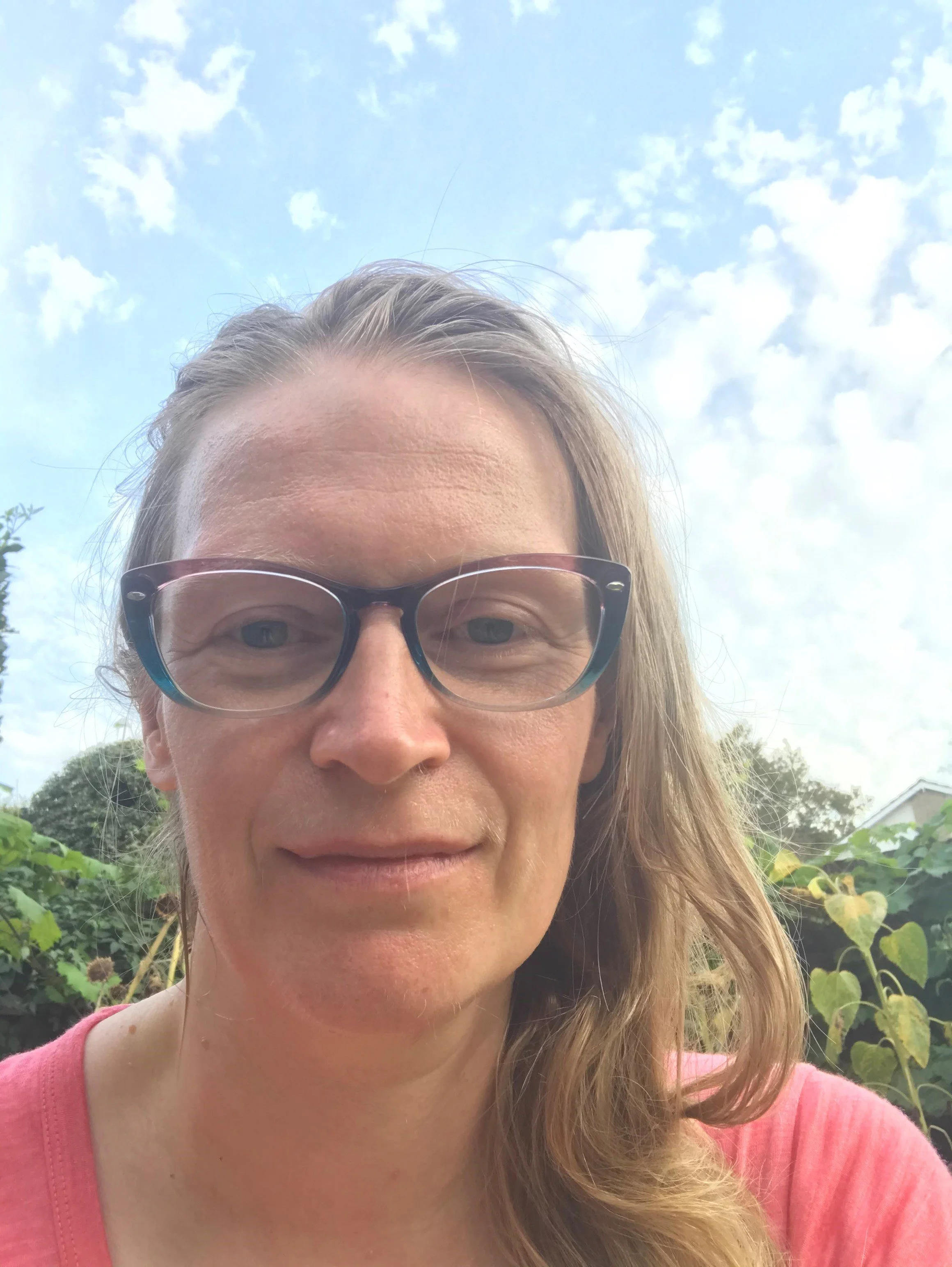
Ms Eleanor Jane Turner





The information sheet is for the survey part of the Autistic Experiences of Breast Cancer research project.
Thank you for your interest in this project
Support Services Contact Details
Sharing your cancer story can bring up lots of memories and emotions an can include reminders of traumatic events. For every person who participants in the survey we provide them with this document for support services contact details and organisations that offer peer support for autistic or neurodivergent people. They include both telephone and written forms of contact and are detailed below.
Name of Support Service
Macmillan Cancer Support

Breast Cancer Now

Shine Cancer Support (for people in your 20s, 30s or 40s with cancer)
Before you decide whether you would like to take part in the survey, it is important that you understand why we are doing this research.
Please read this information sheet and discuss it with your friends and family if you wish. Or you can ask the research team some questions.
Research shows us that autistic people can find getting the healthcare they need is difficult. This can be because GP surgeries and hospitals can be noisy, with bright lighting, and with lots of people.
This research project wants to find out what it is like for autistic people and non-autistic people when you have to go to hospital lots of times throughout your breast cancer treatment.
We will be looking at the time from when you found out that you have breast cancer, and how you found out, and throughout the time you have regular hospital treatment. We are using this time because that is when you go to appointments for treatment most often.
We would like to know about your experiences. We will not be asking other people such as your doctors or nurses involved in your care, or your family members or friends. Although you can have a family member support you when completing the survey.
We would like to hear from autistic people, and non-autistic people who may not get the chance to be part of research and you have had a breast cancer diagnosis and treatment in the UK.
If you would like to take part in the survey and are reading this from the survey like, please answer the two questions and continue to the next survey screen.
If you are reading this from our website or a paper copy please email us for the link, or discuss a different way to take the survey.
In the survey you will be asked to answer some important questions at the beginning of the survey to check that you understand what we are asking you to do, and that you want to take the survey. This is called consent.
We will not ask for your contact details so your answers will be anonymous.
You will then be asked to provide a code word. This will have already been given to you if you found out about the study from somewhere else.
If you found about the study from our website we will give you the code word when you ask for the survey link.
The questions you are asked in the survey will relate to you and your cancer treatment and based on the information you provide.
There is a questions list that provides more details about the kind of questions you will be asked. You can find it on the survey front page.
The information that you and the other people who take the survey will tell us what it is like to have a breast cancer diagnosis and treatment. Your experiences will help us understand if autistic people experiences are similar or different to non-autistic peoples experiences.
We understand that when you share your breast cancer experience, it can be upsetting. You do not have to complete the survey in one go. If you use the same computer and web browser you can finish the survey later, as long as it is within 1 week.
If you change your mind while you are completing the survey, you can leave it and not finish it. When we have finished getting survey responses we will only use completed surveys.
The information that we collect from you in the survey will be stored on University computers.
We will write up the findings of the survey to be published and discussed at conferences and talks and in the guidelines from the project. Your information will be anonymised so that it won’t be recognised.
We may use anonymised quptes from any free text information you give us in published documents, in guidelines, and at conferences. Our website will also contain information about the study but will be anonymised. We will not make the survey data set publicly available, only the anonymised findings included in an academic paper will be published.

Co-I: Dr Char Goodwin
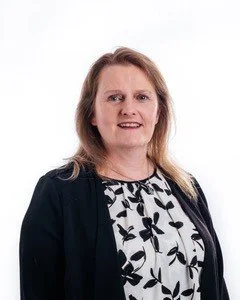
Dr Mary Doherty
Samaritans
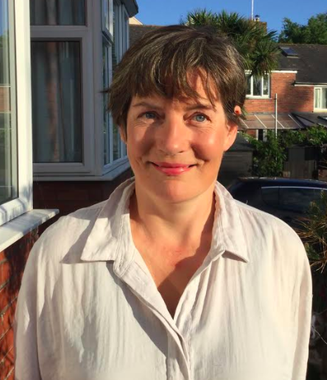
Co-I: Prof Ginny Russell

Dr Sebastian Shaw
This study has received approval from teh Psychology Ethics Committee at University of Exeter. Ref: 12200553.
To contact the Psychology Research Ethics Committee please email psychologyethics@exeter.ac.uk
If you would like to take part in the survey and are reading this from the survey, please follow the instructions on the survey screen.
If you are reading this information sheet from our website, please email aebcstudy@exeter.ac.uk for the survey link and code word.
If you have any questions, please let Dr Char Goodwin know at aebcstudy@exeter.ac.uk
If you would like to make a comment or complaint you can also contact the University Research Ethics and Governance Team
on cgr-reg@exeter.ac.uk
or Sean Jennings
Head of Research Governance, Ethics and Compliance
University Corporate Services
University of Exeter
G14, Lafrowda House, St Germans Road, Exeter, EX4 6TJ
DD: 01392 726621
Email: S.Jennings@exeter.ac.uk
Contact Details
· Support Line 0808 808 00 00 (open 8am to 8pm and free from landlines and mobiles within the UK)
· Email Us form https://www.macmillan.org.uk/forms/contact-us/ask-macmillan-form.html
· Chat with us feature on their website: https://www.macmillan.org.uk/cancer-information-and-support/get-help/chat-online
· Helpline 0808 800 6000 (open Mon-Fri 9am-4pm, Sat 9am-1pm and free from all UK landlines and mobiles)
· Email our Nurses form https://breastcancernow.org/submission/ask-our-nurses
· Ask our Nurses on the forum https://forum.breastcancernow.org/c/ask-our-nurses-your-questions/6
OUTpatients: The UK’s LGBTIQ+ Charity

· Online peer support meetings for LGBTIQ+ Cancer Patients https://outpatients.org.uk/patient-support/
· Contact us form on their website https://outpatients.org.uk/contact/

· Shine regional networks for in person meets https://shinecancersupport.org/get-support/networks/
· Several Facebook groups https://shinecancersupport.org/faceboook-groups/
· Shine Diversity Chats – meeting other members from diverse ethnic communities https://shinecancersupport.org/get-support/peer-support/shine-diversity/
· LGBTQI+ network on WhatsApp https://shinecancersupport.org/lgbtqi/


· Helpline call 116 123 (for free, open 24hrs a day, 365 days a year)
· Email service https://www.samaritans.org/how-we-can-help/contact-samaritan/write-email/
Autistic UK

· Online contact form for general enquiries
· Peer support page: https://www.autisticuk.org/peersupport
AIM for the Rainbow

· Lots of information and advice for neurodivergent LGBTQIA+ individuals
https://rainbowaim.wordpress.com/information-and-advice/
· Support and advice page with contact details of organisations
Autistic Parents UK
· Offers support services for autistic parents